Optimal Seasons for Attic Fan Installations
Attic fan installations are most effective when performed during specific seasons that optimize their performance and longevity. The ideal time generally aligns with periods of moderate weather, avoiding extreme heat or cold, to facilitate proper installation and testing.
Installing an attic fan in spring can help reduce indoor temperatures and improve ventilation before the peak summer heat arrives.
Summer installations may be challenging due to high temperatures, but early summer remains feasible if scheduling allows for cooler morning hours.
Fall offers mild weather conditions, making it an optimal time for installation and ensuring the fan is ready for winter and the following summer.
Winter installation is less common due to colder temperatures and potential for snow, but it can be done with proper planning and weather considerations.
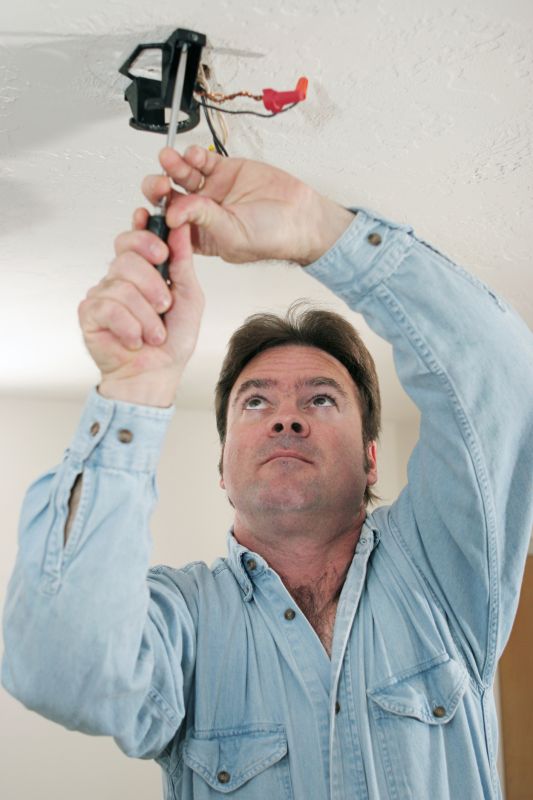
Technicians installing attic fans during spring in mild weather conditions.
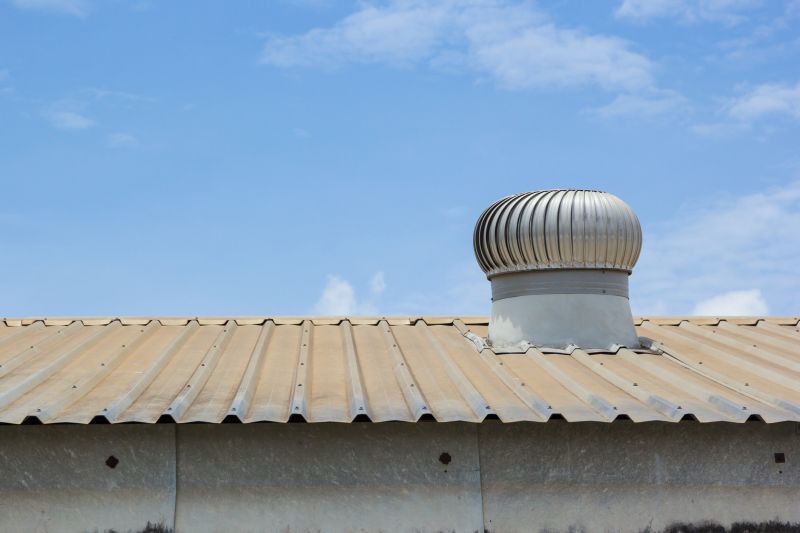
Attic fans being tested during warm summer days to ensure proper airflow.
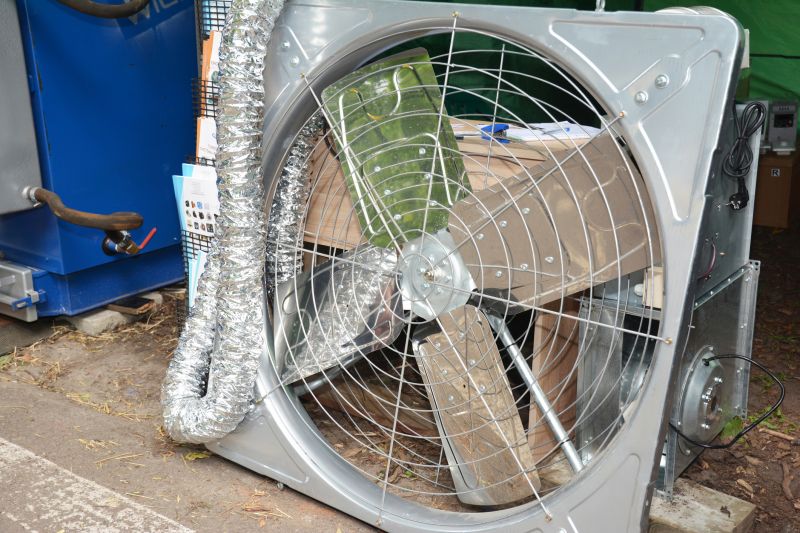
Professional setup of attic fans amidst autumn weather, preparing for winter and summer seasons.
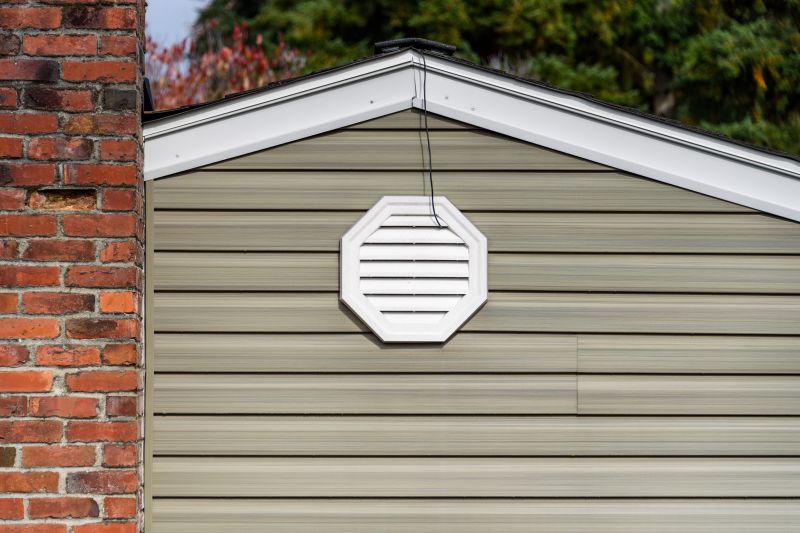
Ways to make Attic Fan Installations work in tight or awkward layouts.
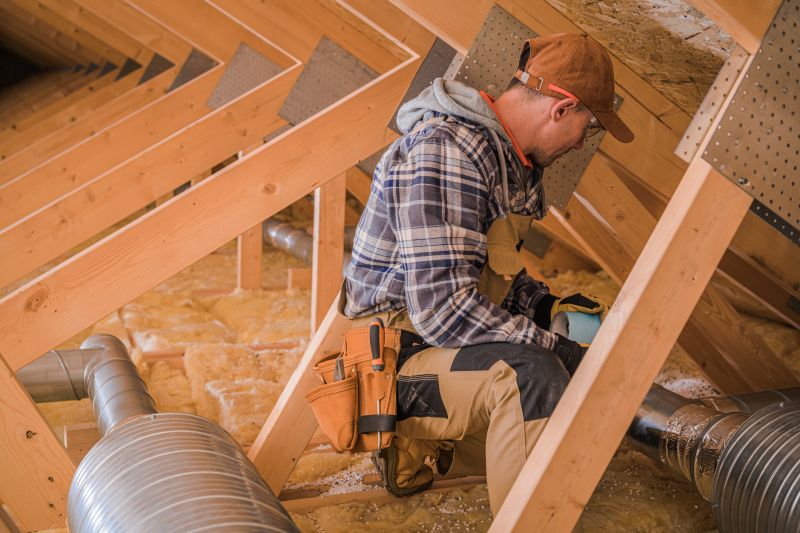
Popular materials for Attic Fan Installations and why they hold up over time.
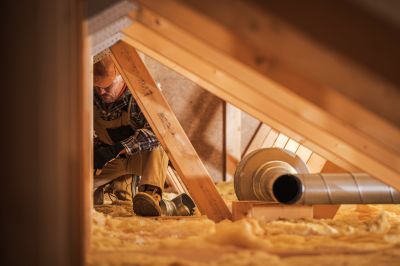
Simple add-ons that improve Attic Fan Installations without blowing the budget.
| Season | Optimal Timing |
|---|---|
| Spring | Before peak heat arrives, typically early spring |
| Summer | Early summer with cooler mornings |
| Fall | Mid to late fall for mild weather |
| Winter | Less common, possible during mild winter days |
Attic fan installations contribute significantly to attic ventilation, helping to regulate temperature and moisture levels. Properly installed attic fans can improve energy efficiency by reducing the load on air conditioning systems and decreasing cooling costs. Statistics indicate that attic ventilation can reduce attic temperatures by up to 30 degrees Fahrenheit, which can translate into lower cooling bills and enhanced home comfort.
Choosing the right time for installation ensures optimal performance and minimizes disruption. Weather conditions, temperature ranges, and scheduling flexibility are key factors to consider. Proper installation during appropriate seasons can extend the lifespan of the attic fan and improve its efficiency, providing long-term benefits for property owners.
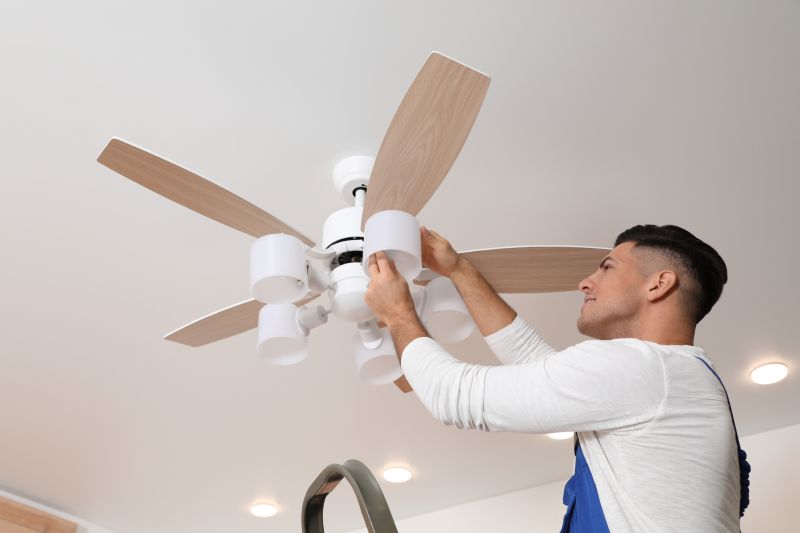
Technicians installing an attic fan during mild weather conditions.
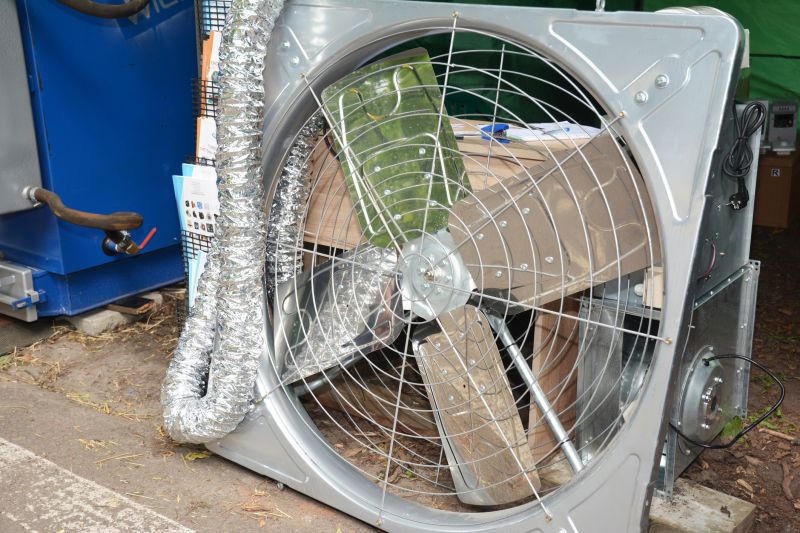
Close-up of fan mounting and wiring process.
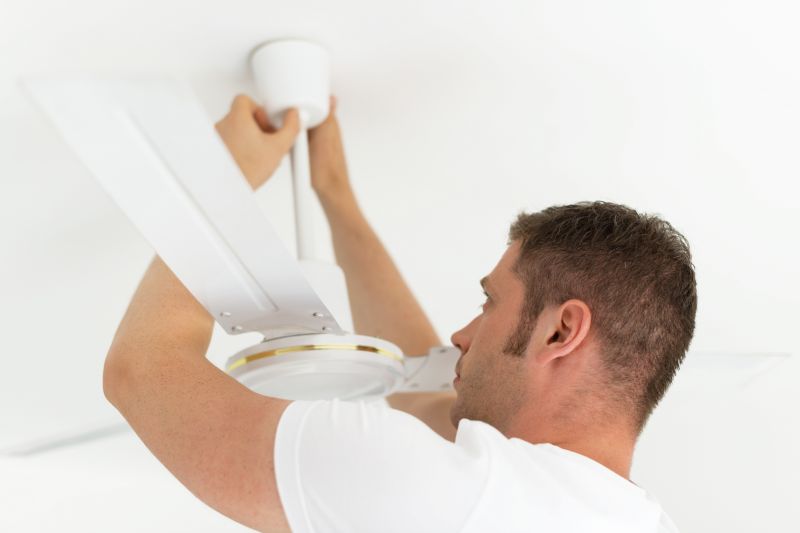
Finished installation with proper sealing and wiring.

Testing the fan operation to ensure proper airflow and function.
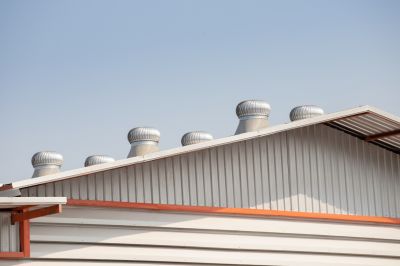
High-end options that actually feel worth it for Attic Fan Installations.
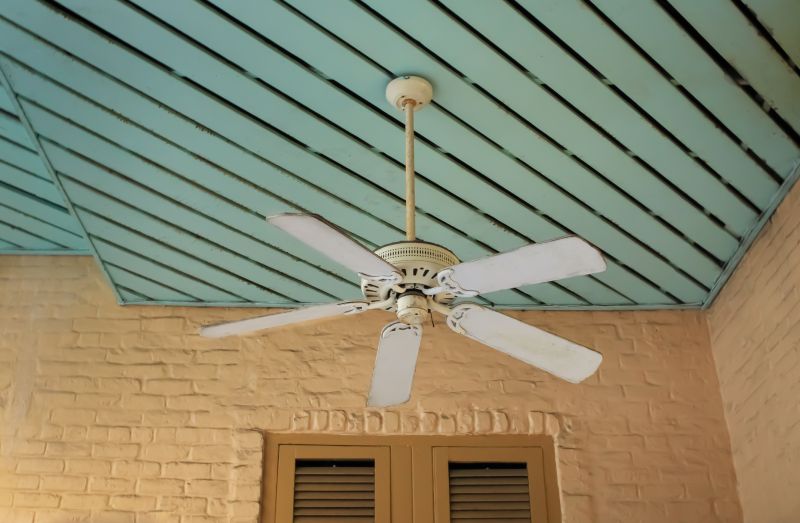
Finishes and colors that play nicely with Attic Fan Installations.

Little measurements that prevent headaches on Attic Fan Installations day.
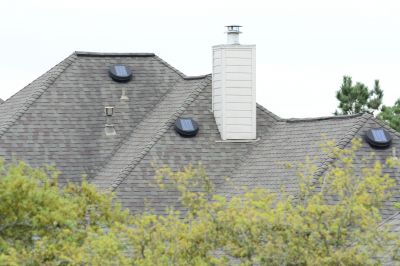
A 60-second routine that keeps Attic Fan Installations looking new.
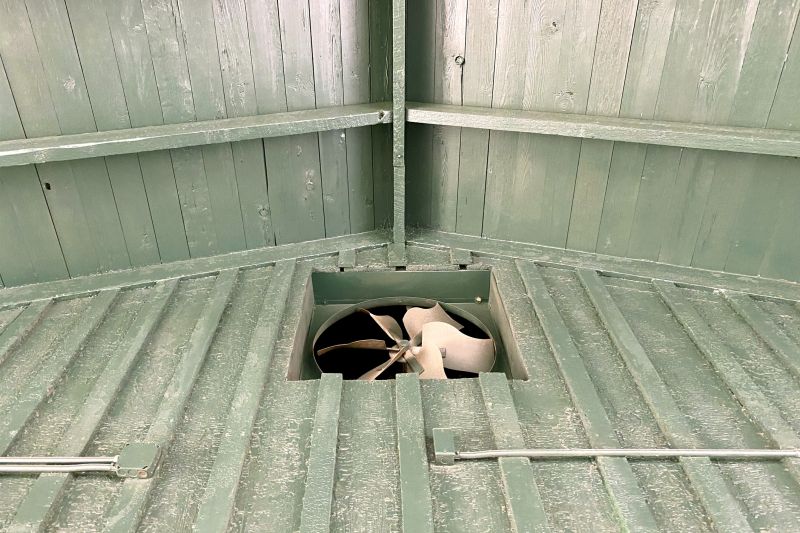
A frequent mistake in Attic Fan Installations and how to dodge it.
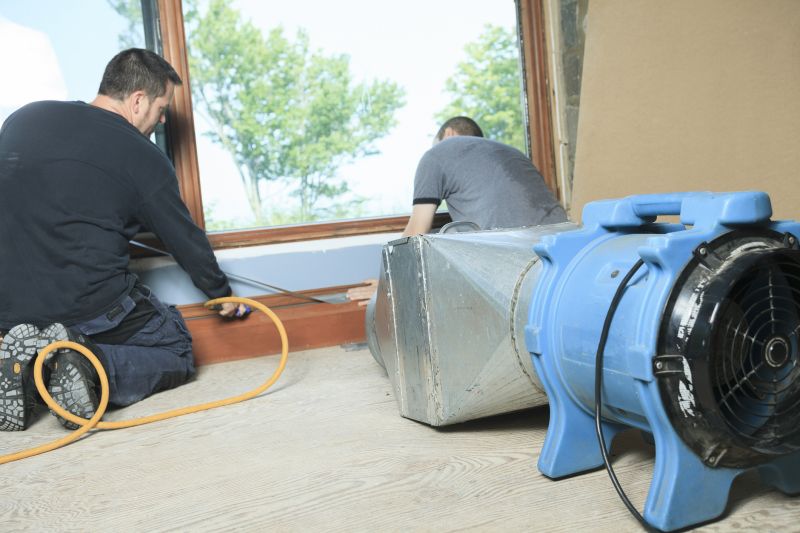
Small tweaks to make Attic Fan Installations safer and easier to use.
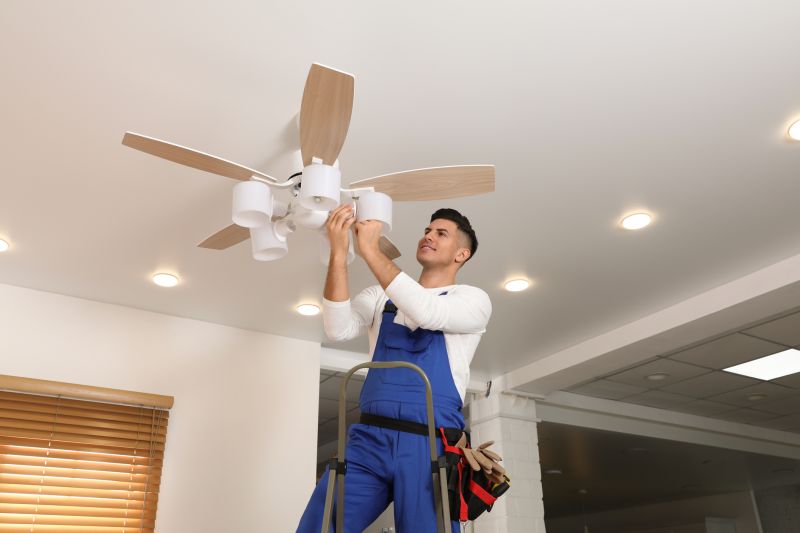
Lower-waste or water-saving choices for Attic Fan Installations.
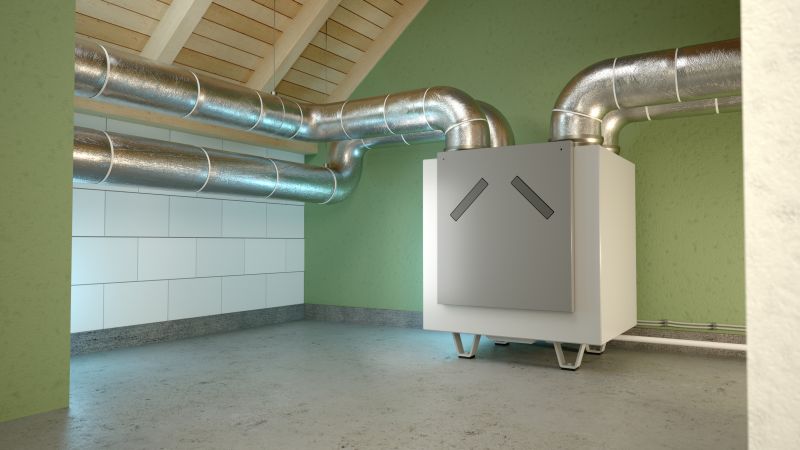
The short, realistic tool list for quality Attic Fan Installations.
Individuals interested in attic fan installations are encouraged to contact for further information or to schedule an assessment. Proper timing and professional installation can lead to improved ventilation, energy savings, and increased comfort within the property.